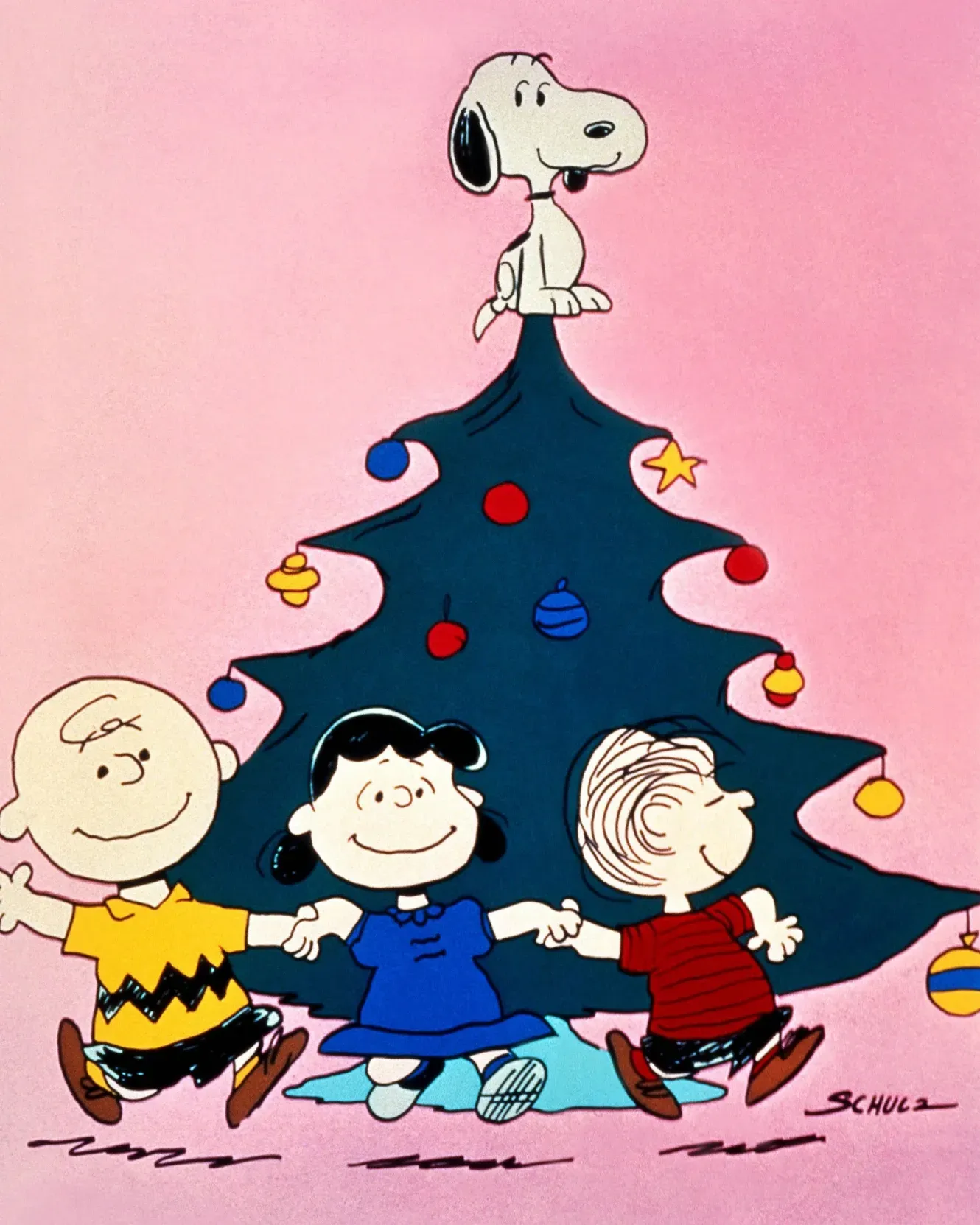
THE SOUND OF
A CHARLIE BROWN CHRISTMAS
Check out the new article by Anna Holmes in The Atlantic with the above title.
She writes about the lasting and magical power of the musical score by Vince Guaraldi, provides some history on how this TV special was created, and reflects on her own feelings about the evocative power of this score.
Holme's got me thinking about my own memories of this special growing up and the music that somehow conveys both joy and sad longing.
The piece also reminds me of the power of using music in therapy. Periodically, in groups I run with adolescents and young adults, I ask them to take out their smart phones (yes, you heard that right) and find a song to share based on a prompt.
Sometimes the prompt is rather benign: "Pick a piece of music that, when you hear it, takes you back to a specific memory." As an example, I offer pop songs that take me back to being a young child riding in the family station wagon with my mother. I can sometimes remember the songs she kept listening to and the ones she quickly changed.
Other prompts involve: "Pick a piece of music that you listen to when you are sad...happy...angry...pensive...that you associate with your mother...your father...a time in your childhood when you felt differently."
This exercise almost always yields great discussions. It's a great way to get those who struggle with vulnerability to find a way to express an aspect of themselves through music. When a song is shared about evoking sadness or a memory of a difficult time, the discussion that follows tend to bring people together through a shared experience that these kinds of episodic memories are universal.
In my work as an attachment-based family therapist, finding avenues to help adolescents and young adults access vulnerability is key to the work with addressing ruptures with parents. During the planning sessions of ABFT (when I meet separately with the teen and parents), I also use this music exercise with teens - especially for those who struggle with the emotional content attached to unpleasant memories.
Accessing vulnerable emotions in the moment in session is essential to growth in therapy. Simply taking about emotions from a detached or rational mode is rarely is enough to achieve desired change. So much of what feeds unsatisfactory life patterns is rooted in trying to avoid painful emotions from early life experiences, which develop into coping modes to suit the time, then elaborate further over life, and in the present become default patterns we feel powerless to change.
In my work as a schema therapist, creating a narrative for these life patterns and how they emerged is essential. We then work together on identifying key episodic memories linked to these patterns and, through the power of imagery exercises, provide emotionally corrective experiences that are both healing and meaning-making.
So thankful to Anna Holmes for inspiring these thoughts! Now, I'm off to play the soundtrack to
A Charlie Brown Christmas.
Please
contact me if you are interested in learning more about ABFT and ST. I provide psychotherapy as well as supervision and training in these models.